
What to Do After a Car Accident: A Step-by-Step Guide for Long Island Drivers
No one expects to be involved in a car accident. One moment you’re commuting to work or running errands, and the next you’re dealing with confusion, stress, and uncertainty about what comes next. While every crash is different, knowing what to do immediately afterward and in the days that follow can protect your safety, your health, and your legal rights. Understanding the right steps ahead of time can help you stay calm and make informed decisions during a difficult moment.At The North Shore Injury Lawyer, we sometimes work with biomechanical engineers to analyze how an accident physically affected the human body. These experts help explain whether the forces involved in a crash were capable of causing a specific spinal injury and can play an important role when injury causation is disputed.
Understanding the Spine and Why It Is Vulnerable to Injury
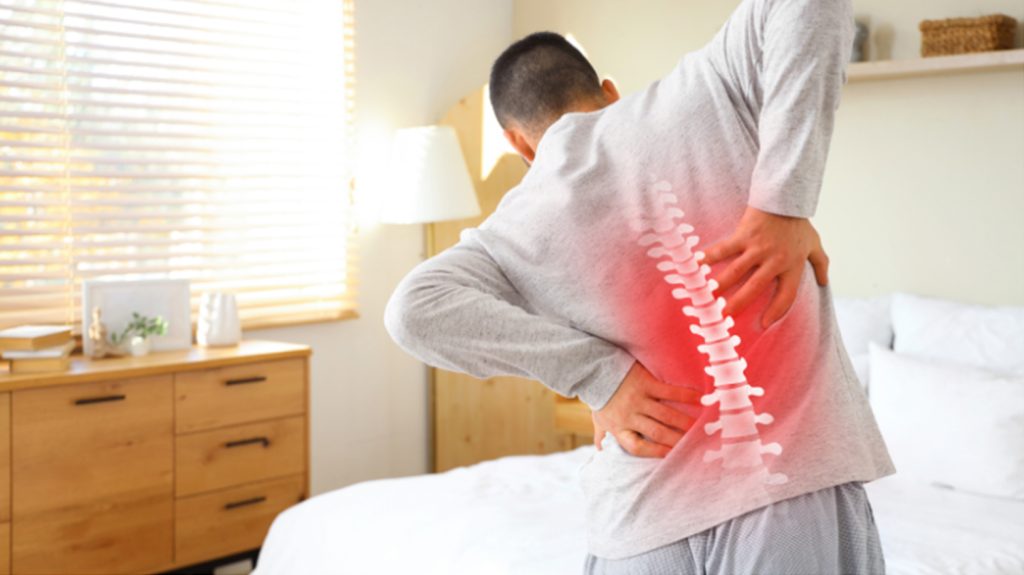
The human spine is both strong and surprisingly delicate. It is made up of multiple sections including the cervical spine in the neck, the thoracic spine in the mid back, and the lumbar spine in the lower back. Together, these vertebrae protect the spinal cord, a bundle of nerve tissue responsible for transmitting signals between the brain and the rest of the body. When trauma occurs, the spine can bend, compress, twist, or stretch beyond its normal limits. These movements can damage vertebrae, discs, ligaments, or the spinal cord itself. Even when fractures are not visible, forces placed on the spine during a collision can lead to disc herniations, nerve compression, or long term instability. Motor vehicle crashes remain the leading cause of traumatic spinal cord injuries in the United States, accounting for approximately 31.5 percent to nearly 40 percent of all cases, according to the National Institutes of Health and the United Spinal Association. Research published by the National Library of Medicine further found that spinal cord injury occurred in one out of 1,860 front seat occupants involved in tow away crashes, with the highest rates occurring in rollover collisions and reduced risk associated with seat belt use. These statistics highlight an important reality. Serious spinal injuries do not require catastrophic looking crashes. The human body can experience significant internal forces even when vehicle damage appears moderate.The Role of Biomechanics in Explaining Spine Injuries
Biomechanics is the study of how the body responds to forces and motion. In personal injury cases, biomechanical engineers apply physics and engineering principles to reconstruct accidents and evaluate how impact forces affect the body. During a collision, the spine may experience multiple forces at once, including bending, compression, rotation, and shearing, which together influence the type and severity of injury.
By analyzing factors such as vehicle speed, crash angles, seat position, restraint use, medical imaging, and injury patterns, these engineers determine whether the forces involved could have caused the reported injuries and which impact was most likely responsible. Their work helps translate complex scientific concepts into clear, evidence-based explanations for insurance companies, judges, and juries by connecting medical findings to measurable physical forces.
How Biomechanical Experts Strengthen Personal Injury Cases
In some cases, insurance companies argue that a crash was too minor to cause serious spinal injury. This is where biomechanical analysis becomes especially valuable and important. Engineers can demonstrate how rapid acceleration and deceleration forces affect the spine even at lower speeds, particularly in rear end collisions or rotational impacts.
By reviewing accident data alongside medical evidence, biomechanical experts help establish whether an injury is consistent with the event. For example, certain cervical spine injuries are commonly associated with compression combined with forward bending of the neck, while other injury patterns may indicate rotational forces or lateral impact.
These scientific evaluations are not about speculation. They rely on physics, anatomy, and measurable data to reconstruct how the body moved during the incident. When combined with medical expert testimony, biomechanical findings can clarify disputed facts and support an injured person’s claim.
Working collaboratively with medical professionals and engineering experts allows attorneys to present a clearer picture of how an injury occurred and why it continues to affect a person’s daily life, employment, and long term health.
Contact The North Shore Injury Lawyer for help on Long Island
If you or someone you care about is dealing with a spinal injury due to a car accident, you do not have to go through it alone. For more than 30 years, attorney Mark T Freeley has been helping individuals and families across Nassau County, Suffolk County on Long Island, working hard to secure the compensation they need to move forward.
Mark and his team will take the time to listen to your story, gather all of the evidence, work with medical experts, and stand up for your rights, so you can focus on what matters most, your recovery and your future. If you or your loved ones need help with a personal injury case, give him a call today at (631) 495-9435 for a free consultation and let him guide you every step of the way.