
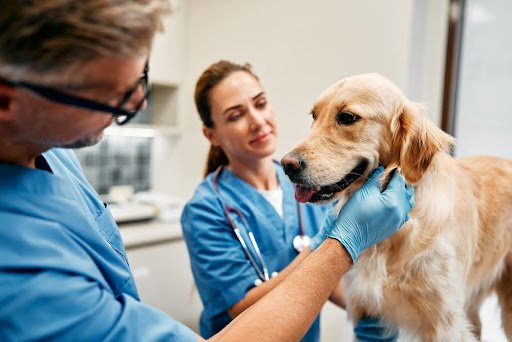
Today, our pets are cherished as true members of the family, complete with birthday celebrations, puppy day care, and a wide array of fun toys and accessories. Today’s veterinary care has also evolved, becoming more advanced (and more expensive) thanks to advancements in medical technology and a deeper understanding of animal behavior and wellness.
Alongside this progress, pets now benefit from state-of-the-art animal hospitals, specialized care, and a more robust medical system overall. While these improvements are a welcome change for those who previously faced limited care options, they also come with higher costs that pet owners must now bear.
How animal healthcare has changed
As animals’ healthcare has changed to more closely resemble our own, it has also taken on some of the problems of the human system. According to a recent NY Times article, the price of veterinary care has soared more than 60% over the past decade, outpacing inflation. Private equity firms have acquired hundreds of independent clinics, in a trend reminiscent of corporate roll-ups of doctors’ offices. Veterinarians are facing growing pressure to push costly treatments and order more tests, ultimately changing the way they practice.
Who is buying veterinary practices?
Private equity uses pooled investment money from pension funds, endowments and wealthy individuals to buy controlling stakes in companies. The firms typically look for a quick return on their investment before selling it within a few years. Unfortunately, as pet ownership soared during the COVID-19 pandemic, private equity investments and acquisitions of veterinary services and practices followed close behind.
Stateline stated recently that the vet industry is attractive because it’s mostly made up of small, privately owned businesses that corporations can buy and consolidate into larger chains. Additionally, it’s mainly a cash-based business unlike in human healthcare. Most veterinary customers typically pay out of pocket (and in full) before leaving a vet’s office, rather than rely on third-party payers such as insurance companies.
What does this mean for owners
While pet owners of seriously ill animals used to have very little choice when it came to relieving their pets suffering, advancements in medical technology have made it much more likely that there are options available to extend the lives of pets. These advancements, however, come with a high price tag and now owners must choose between potentially going into debilitating debt, or letting a pet die.
Reasons to consider pet insurance
Given the high cost of veterinary care today, some pet owners are choosing to invest in pet insurance to avoid some of the hefty, unexpected fees. With more pet insurance options now than ever before, purchasing an accident/illness/injury policy for your pet can be an attainable option you may want to consider. It will also give you peace of mind for unexpected, expensive surgery and testing, cancer treatment and chronic/lifetime illnesses which can really become a substantial financial burden.
You can obtain a reasonable monthly premium if you adjust your deductible and/or reimbursement Once you receive your policy, take the time to review it thoroughly to confirm that the coverage aligns with your expectations and that you’re satisfied with the cost and terms.
For more information on pet insurance policies, click here or read our blog that breaks down an important checklist to follow when making your choice. If you have any questions or need assistance with a plan you already have, feel free to reach out to Mark at northshoreinjurylawyer@gmail.com.