
Everyone knows that driving under the influence and while distracted can be incredibly dangerous, but did you also know that driving with tires that have low tread can be risky too? Old or worn tires can make it difficult to control your vehicle and it’s important that you pay attention to signs that it’s time to replace your tires to stay as safe as possible. Neglecting tire care can lead to severe consequences, including accidents, higher maintenance costs, and even roadside breakdowns.
Telltale signs it’s time to replace your tires
Many people simply wait until a light comes on their dashboard before scheduling a maintenance appointment. While these notifications are important and often signal problems needing to be fixed, it’s also helpful to know some basic facts to proactively prevent accidents and problems before these alerts pop up. To help ensure uninterrupted travel due to tire wear and tear, you’ll want to examine them thoroughly on a regular basis.
AAA states that in the Northeast, tires usually have a lifespan of about five years. Outside of pressure monitor system alerts, here are some signs they suggest keeping an eye out for to identify potential repair or replacement needs for your tires:
- Worn tire tread – this can be obvious when a tire appears smooth or has very few ridges. A few factors that can affect tread include improper alignment, overinflation, underinflation or a damaged suspension.
- Sidewall cracks, bubbles/bulges and breaks – these obvious imperfections can be caused if a tire scrapes against a curb or hits a pothole.
- Slipping and stopping – obvious signs that a tire’s tread has exceeded its useful life include wheel spin when a car accelerates, skids when braking or hydroplanes easily.
- Dry rot – when a tire loses moisture, the rubber can become dry and brittle, and this sign is often found in tires that have exposure to UV or harsh chemicals or can be due to high temperatures and age.
Great ways to prevent damage to your tires
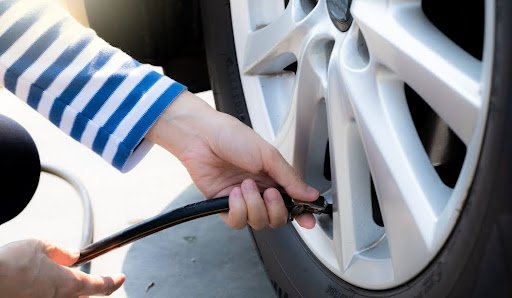
In addition to changing your tires when you notice signs of wear and tear, there are a few tire care tips you can follow to help prevent damage. These include regularly rotating them, checking your tread, scheduling routine alignments, and monitoring your tire pressure.
It’s recommended that you inspect your tires once a month throughout the year, with extra care and attention in cold weather. Typical tire rotation is performed between 5,000 and 7,000 miles and alignment should be checked generally every year or every 12,000 miles.
Additional benefits to preventative maintenance
Beyond the obvious safety benefits associated with preventative tire maintenance, there are a few other great perks to being proactive. One is improved fuel efficiency. Under-inflated tires create more resistance with the road, which can create more work for your car to move forward. Extra effort like this burns more fuel, in turn making your trip back to the gas station happen faster than if they were in top condition.
Another advantage of well-maintained tires is improved vehicle responsiveness. With better performance, tasks like turning, stopping, and navigating uneven surfaces become smoother, enhancing your overall driving experience.
Get help on Long Island when you need it
Your tires are an essential part of your vehicle, and their condition directly affects your safety, fuel efficiency, and overall driving experience. By making tire maintenance a regular part of your vehicle care routine, you’ll not only save money but also reduce the risk of accidents and ensure that your car performs at its best.
Even if you are the most diligent driver, accidents can happen. If you or your loved one become injured in a car accident, you need a reliable legal ally. With over 30 years of experience, Mark T. Freeley is the personal injury lawyer you can trust. Contact Mark by phone/text at 631-495-9435 or by email at northshoreinjurylawyer@gmail.com, and he will take the time to listen and guide you.