
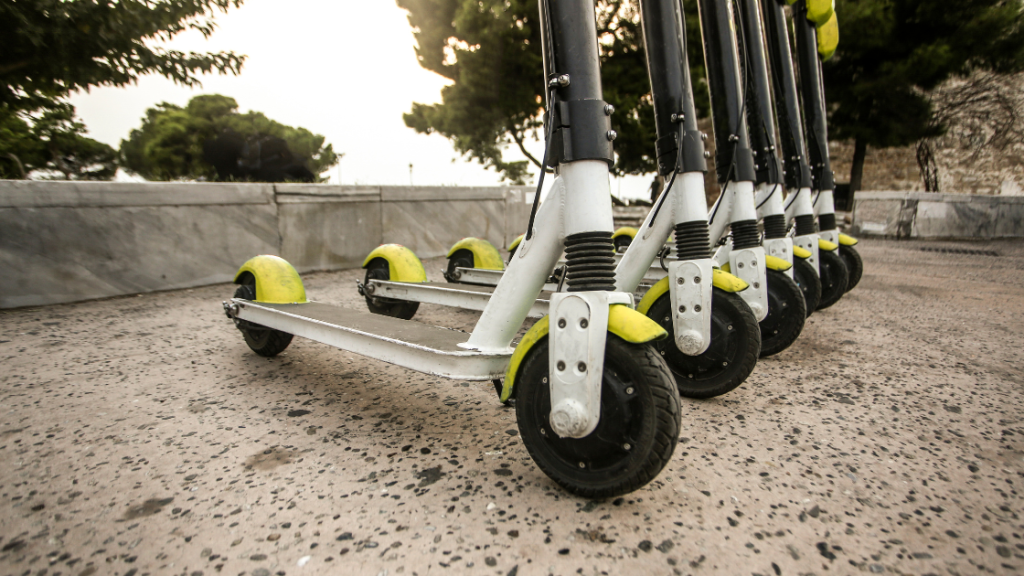
As e-bikes and e-scooters continue to gain popularity across Long Island, Suffolk County has implemented one of the region’s most comprehensive sets of regulations governing their use. The new law introduces stricter rules, increased penalties, and expanded enforcement authority aimed at improving public safety.
Whether you’re an e-bike owner, a parent of a young rider, or a motorist sharing the road, understanding these regulations is essential, not only to avoid penalties but also to help prevent serious accidents and injuries.
Why Suffolk County Introduced New E-Bike Restrictions
The rapid growth of e-bikes and e-scooters has created new challenges for communities across Long Island. While these vehicles offer a convenient and environmentally friendly mode of transportation, their increasing use has also been accompanied by concerns about speeding, sidewalk riding, underage operators, and collisions involving pedestrians and motor vehicles.
Suffolk County’s new law was designed to address these concerns by establishing clearer rules regarding who can operate e-bikes, where they can be ridden, what types of vehicles are permitted, and what penalties apply when riders fail to comply.
The county also launched an educational campaign before beginning full enforcement, recognizing that many riders and families may not have been aware of the existing regulations surrounding electric bicycles and scooters.
Understanding Suffolk County’s E-Bike Classifications
Not all e-bikes are treated equally under Suffolk County law. The regulations distinguish between three classes of electric bicycles:
- Class 1 e-bikes provide motor assistance only while the rider is pedaling and stop assisting at speeds of 20 mph.
- Class 2 e-bikes can operate using a throttle without pedaling but also stop providing assistance at 20 mph.
- Class 3 e-bikes can travel at speeds exceeding 20 mph and are prohibited in Suffolk County.
Importantly, riders should understand that modifying a legal Class 1 or Class 2 e-bike to exceed 20 mph can render the vehicle illegal under county law.
The county has also established several operational restrictions. Riders under the age of 16 are prohibited from operating e-bikes or e-scooters on public roads or public property. All operators must wear helmets, regardless of age. In addition, e-bikes and e-scooters may not be operated on roads with speed limits above 30 mph, and they remain prohibited in Suffolk County parks.
Enforcement and Penalties Have Increased Significantly
The new law gives Suffolk County authorities expanded enforcement powers and establishes substantial penalties for violations.
First-time violations can result in fines of up to $500, in addition to vehicle redemption fees. Penalties increase sharply for repeat offenses, with second violations carrying fines of up to $1,500 and third offenses potentially resulting in fines exceeding $7,000, mandatory jail time, and permanent forfeiture of the vehicle.
Law enforcement also has the authority to immediately impound e-bikes and e-scooters involved in reckless operation, impaired operation, or other serious violations.
These penalties reflect the county’s broader effort to reduce dangerous riding behavior and improve safety for riders, pedestrians, and motorists alike.
What Happens When an E-Bike or Scooter Accident Causes Serious Injury?
Despite increased regulation and enforcement, e-bike accidents continue to occur throughout Long Island. Because e-bikes can travel at relatively high speeds and often share roads and pathways with larger vehicles and pedestrians, collisions can result in severe injuries, including fractures, traumatic brain injuries, spinal cord injuries, and long-term disabilities.
Determining liability after an e-bike accident can be complicated. Depending on the circumstances, responsibility may fall on a motor vehicle driver, an e-bike operator, a property owner, or even a manufacturer if defective equipment contributed to the crash.
Individuals injured in e-bike and scooter accidents may be entitled to recover compensation for medical expenses, lost income, pain and suffering, rehabilitation costs, and other damages. Because these cases often involve multiple insurance policies and evolving laws, obtaining experienced legal guidance is critical.
Getting Help After an E-Bike or Scooter Accident on Long Island
As e-bike use continues to grow and regulations become more complex, understanding your rights after an accident is more important than ever. Whether you were injured while riding an e-bike or scooter, struck by an e-bike or scooter, or involved in a collision with a motor vehicle, an experienced personal injury attorney, like the North Shore Injury Lawyer, can help you understand your legal options and protect your interests.
For more than 35 years, Mark T. Freeley has represented injured individuals and families throughout Long Island, helping them pursue the compensation they deserve after serious accidents. If you or a loved one has been injured in an e-bike, bicycle, pedestrian, or motor vehicle accident, contact the Law Office of Mark T. Freeley today at 631-495-9435 or online to schedule a consultation and discuss your case.